NewsImage & video
Genie 4 brings live audio and interactive dialogue to world simulation
Google DeepMind's Genie 4 adds native audio, interactive dialogue and live scene control. See what's new, who can access it and its limits.
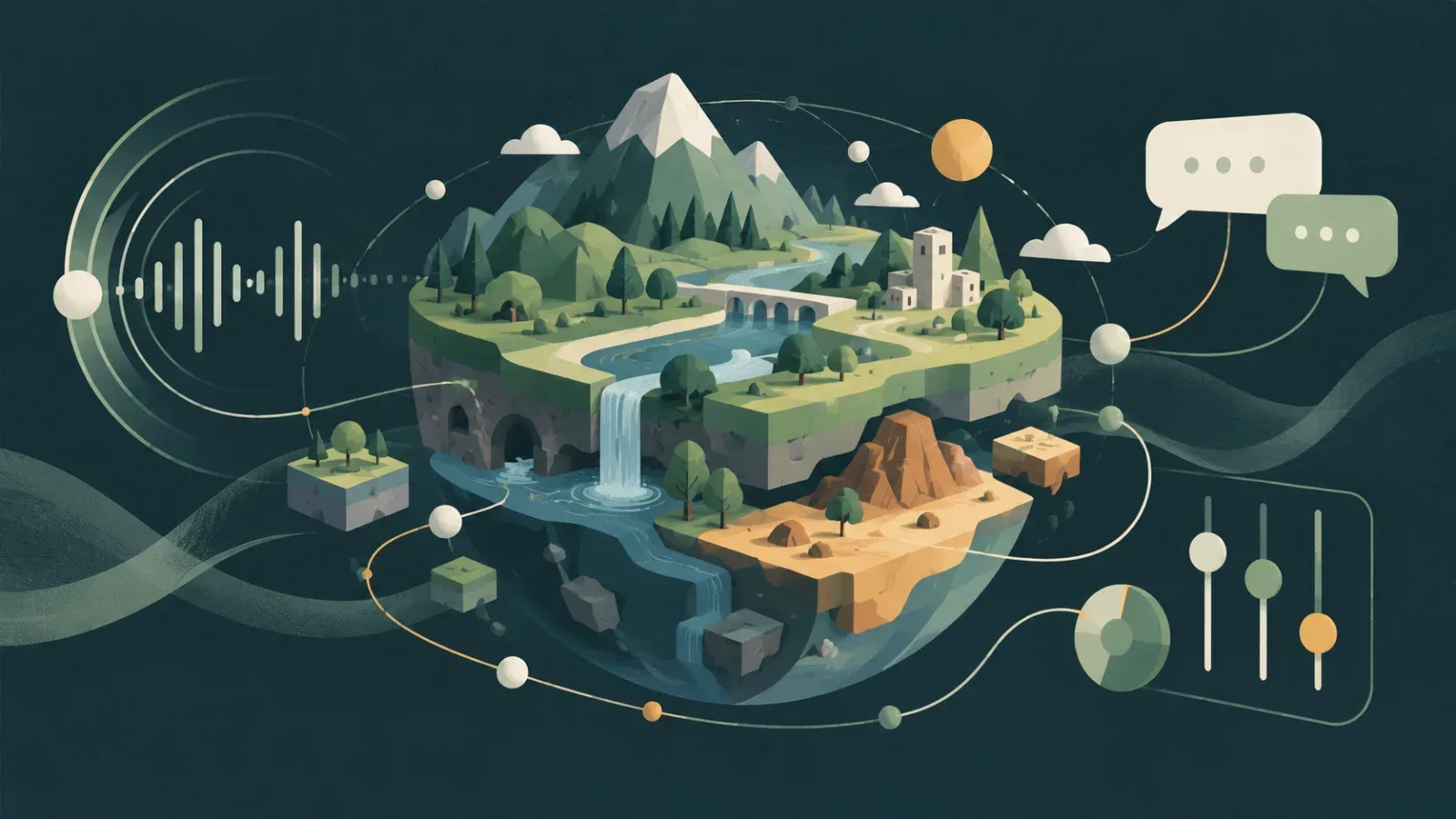
Illustration generated with ChatGPT
Google DeepMind announced Genie 4 on October 27, 2026. The new world model generates interactive simulations with native audio, dialogue and real-time changes directed through text. Google has released Genie 4 as a research preview for trusted testers, with broader access planned through Project Genie and developer platforms.
What changed from Genie 3
The Genie 4 announcement (opens in a new tab) describes improvements in visual realism, physical interactions, human movement and sound. Native audio and interactive dialogue are among the clearest additions.
Genie 3 (opens in a new tab), announced in August 2025, already generated environments that users could explore in real time. It operated at 24 frames per second with 720p resolution and could maintain an environment for a few minutes.
Genie 3 also supported text-directed events. Users could change weather conditions or introduce objects and characters while exploring. Real-time scene editing is therefore an existing capability that Genie 4 extends.
The newer model adds more natural human behavior, improved physical interactions and sound generated alongside the visual environment. Google says Genie 4 can simulate scenarios involving collisions, aerodynamics and people responding to events.
Genie 4 is also Google's first real-time world model with native audio generation. Simulated environments can contain ambient noise, music-like sounds and conversations. Characters can speak and react as events develop.
Google has not published directly comparable frame rates, resolution figures or latency measurements for Genie 4. The announcement therefore does not establish a numerical performance improvement over Genie 3.
How Genie 4 combines simulation with Gemini
Genie 4 uses several models from Google's Gemini family to guide its generated environments.
Gemini Omni helps connect the simulation to the appearance and behavior of the physical world. Other Gemini models contribute reasoning intended to preserve continuity as events unfold.
For complex tasks, Google describes Gemini 3.8 Flash operating as a guiding agent. It watches generated frames, divides goals into steps and checks whether each step succeeds.
When an environment changes, the guiding agent can revise the plan and direct Genie 4 through additional instructions.
This matters for scenarios that need more than camera movement or visual changes. A simulated task can involve an ordered sequence of actions, with the model adjusting the environment as each stage progresses.
Google also demonstrated an experimental combination of Genie 4 and Gemini 4 Argon. Argon divides an instructed task into steps that are passed to Genie 4 during generation.
One demonstration simulates Apptronik's Apollo humanoid playing checkers. The example illustrates how planning instructions and generated events can operate together. It does not establish that the simulation reproduces every physical property of a real robot.
Developers following the reasoning model can read HuiaHub's coverage of Gemini 4 Argon.
Who Genie 4 is for
Google has been working with trusted testers in creative industries, journalism, education, gaming and engineering.
The announcement describes several uses under evaluation.
For game developers, Genie 4 can generate environments that are immediately explorable. Teams can adjust visual styles, add characters and change environmental conditions through natural-language instructions. Google describes this as a way to examine early concepts before building them in a game engine.
Filmmakers and creative teams are exploring live scene previews. They can change camera positions, lighting, dialogue and action while reviewing a generated scene.
Journalists and educational teams are examining simulations built from historical photographs and scenarios involving environmental events. These remain generated interpretations rather than verified reconstructions.
Engineering and robotics teams are investigating simulations for testing task sequences and agent behavior.
For AI developers, the distinction is between producing a fixed visual result and interacting with an environment that changes in response to inputs. Genie 4 supports the latter, although Google has not established that these environments are accurate enough for every real-world testing requirement.
How to access Genie 4
Google currently limits Genie 4 to trusted research testers.
The official Genie 4 model page (opens in a new tab) provides a way to request access. Open the page, find the Project Genie section and select Join waitlist.
Google identifies the following planned access routes:
- Project Genie, starting with Google AI Ultra subscribers.
- Early access through the Gemini API for selected partners.
- Early access through Google AI Studio for selected partners.
These are planned expansions beyond the existing trusted-tester preview. A Google AI Ultra subscription does not currently establish immediate access to Genie 4.
Google has not announced a general release date, supported regional availability or Genie 4-specific pricing.
The announcement also provides no public Genie 4 API request format, integration instructions or downloadable model weights. Developers cannot use the announcement alone to reproduce Google's demonstrations through an application.
Current limitations and unanswered questions
Google describes Genie 4 as an experimental research model.
Environments can remain coherent during short sessions, but visual details and object permanence may change over time. The problem can become more noticeable after repeated text edits, longer interactions or extensive movement through a scene.
Complex physical interactions, spatial accuracy, legible text, accurate real-time audio and long-term consistency remain unresolved research problems.
These limitations matter when simulations depend on stable object positions, repeatable actions or precise physical behavior.
Google's model page also identifies interactions between multiple independent agents as an ongoing challenge. Genie 4 cannot currently reproduce real-world locations with perfect accuracy.
The published examples do not include a standardized benchmark showing how often generated actions follow expected physical outcomes.
Google says it performed internal safety evaluations before the preview and applies safety restrictions to generated content.
Genie 4 also includes SynthID watermarking in all generated audio and video. Google describes these watermarks as imperceptible markers intended to help identify AI-generated material.
Frequently asked questions
Can Genie 4 simulations run continuously for hours?
Google's model page says Genie 4 currently supports a few minutes of continuous interaction rather than extended sessions. Google has not published a confirmed maximum duration for every access route or announced when longer sessions will become available.
Can developers export Genie 4 environments into Unity or Unreal Engine?
Google has not documented an export format or a direct integration with either engine. The announcement describes generated environments that users can explore and modify, but does not confirm support for exporting editable scenes or game assets.
Can Genie 4 produce the same simulation from repeated prompts?
Google has not published guarantees for deterministic generation or reproducible simulation runs. The announcement also does not describe a seed control or replay interface that developers could use to verify identical outcomes.
Sources
- 1.Genie 4: A new generation of world simulation — Google DeepMindOfficial docsPrimarydeepmind.google
- 2.deepmind.google/blog/genie-3-a-new-frontier-for-world-modelsWeb
- 3.deepmind.google/models/genieWeb
Spotted an error? See our corrections policy.
Enjoyed this? Get the weekly brief.
New guides, Project & Tool of the Week and the AI developments that matter. One email, no spam.
Read next
 NewsImage & video
GitHub Copilot adds image creation and editing to developer chats
GitHub Copilot now creates and edits images in VS Code, its app and CLI. See eligible plans, AI credit pricing and controls for developers.
4 min read
 TutorialImage & video
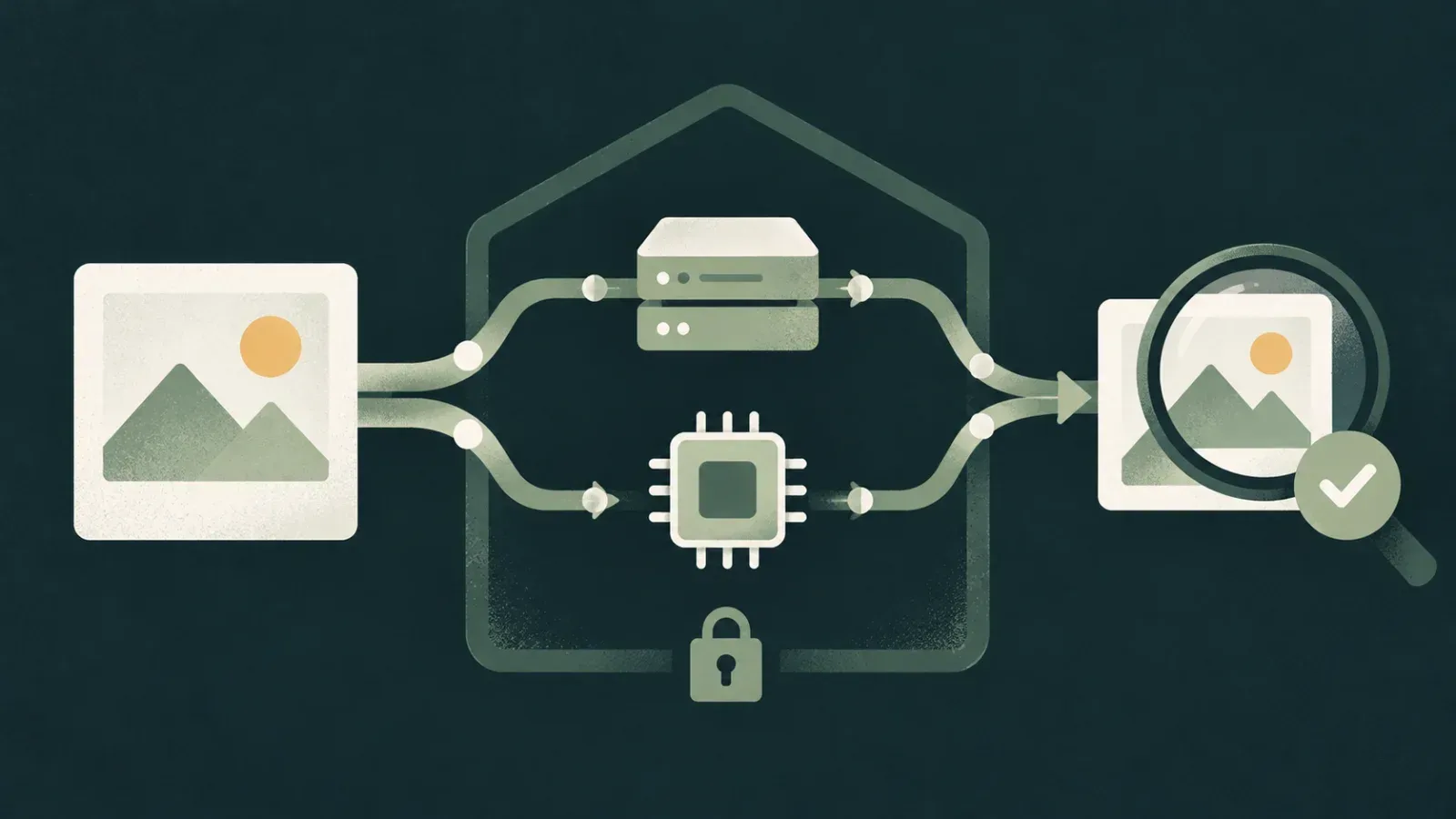
Run vision language model locally: Ollama and llama.cpp guide
Run vision language model locally with Ollama or llama.cpp, send screenshots through local APIs, and check image answers before using them.
11 min read
 TutorialImage & video
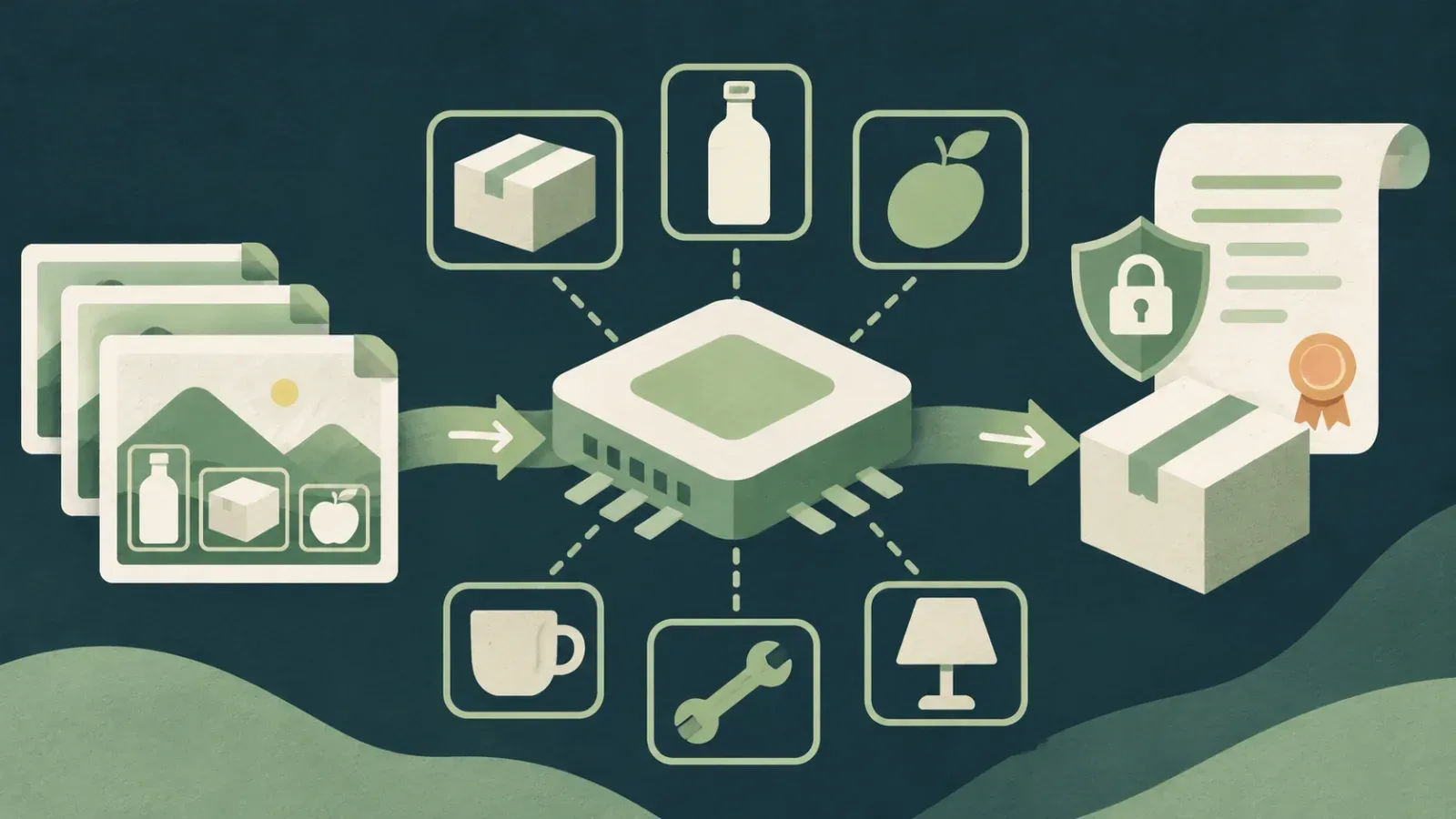
Ultralytics YOLO object detection: predict, train and export a custom model
Run Ultralytics YOLO object detection from Python or the CLI, train on your own labeled images and export to ONNX, after checking the AGPL-3.0 licence terms.
6 min read
More on these topics
Related videos
 17:04intermediate
An Interaction Is All You Need — Ivan Leo, Google DeepMind
Ivan Leo of Google DeepMind explains the Gemini Interactions API and Managed Agents in 17 minutes, useful for developers building agents on Gemini.
AI Engineer · 8.1K views ·